






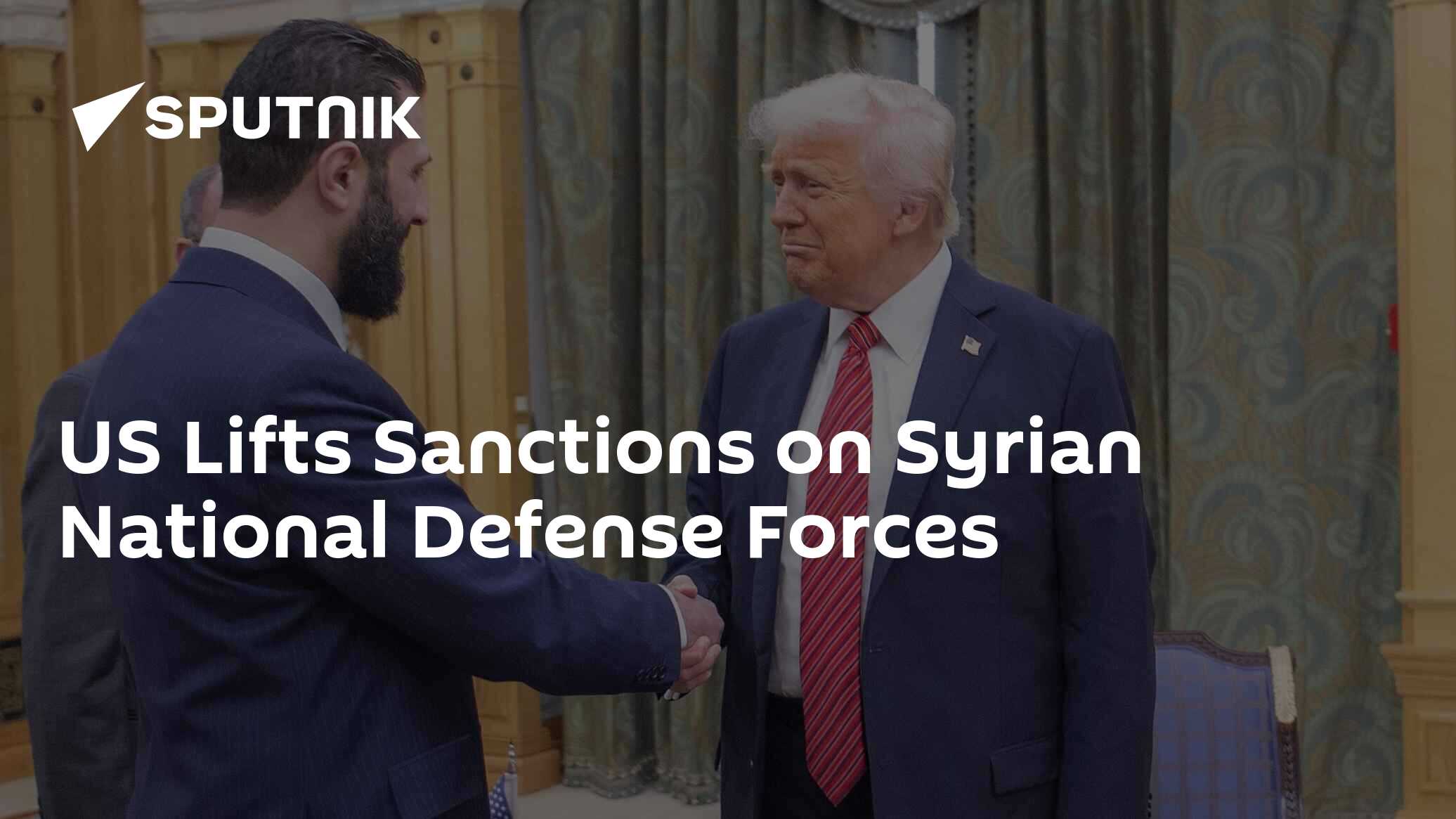
Understanding the Guidance on Syria Sanctions: Compliance and Risks
Syria has been subject to various sanctions imposed by multiple countries and international bodies due to ongoing conflicts and humanitarian crises. Ensuring compliance with these sanctions is critical for businesses and individuals engaged in transactions that might involve Syrian entities. For more detailed insights, refer to the guidance on Syria sanctions which outlines the regulations and enforcement protocols.
Overview of Syria Sanctions
Sanctions against Syria are primarily aimed at curtailing the regime’s capabilities, limiting access to financial resources, and addressing human rights violations. The sanctions are enforced by various entities, including the United States, the European Union, and the United Nations, each with its specific regulations and enforcement mechanisms. Understanding the nuances of these sanctions is imperative for compliance.
Types of Sanctions
Sanctions imposed on Syria can be categorized into several types:
- Economic Sanctions: These include restrictions on trade, investment, and financial transactions with Syrian entities.
- Military Sanctions: A ban on the export of arms and military equipment to Syria to prevent further escalation of violence.
- Individual Sanctions: Targeted measures against specific individuals associated with the Syrian government, including asset freezes and travel bans.
- Sectoral Sanctions: Restrictions targeting specific sectors such as oil and gas, which are vital for Syria’s economy.
Compliance Obligations
Entities must comply with sanctions by implementing robust compliance programs. This includes:
- Due Diligence: Conducting thorough due diligence to ensure that no transactions involve sanctioned individuals or entities. This involves comprehensive research and monitoring activities.
- Screening Procedures: Employing screening tools and software to automatically check against sanction lists, reducing the risk of inadvertent violations.
- Training and Awareness: Training staff on the importance of sanctions compliance and the implications of violations.
Risks of Non-Compliance
Failure to comply with Syria sanctions can lead to severe consequences including:
- Financial Penalties: Organizations may face significant fines and penalties for violations, which can impact their financial standing and operations.
- Reputational Damage: Engaging with sanctioned entities can tarnish a company’s reputation, leading to loss of customers and business opportunities.
- Legal Consequences: Organizations might face legal actions or criminal charges against their executives for failing to adhere to sanctions.
Regulatory Authorities and Enforcement Mechanisms
Different regulatory bodies oversee sanctions and employ various enforcement mechanisms:

- U.S. Department of the Treasury: Administers and enforces U.S. sanctions through its Office of Foreign Assets Control (OFAC).
- European Commission: Implements and monitors EU sanctions through member states.
- United Nations Security Council: Can impose collective sanctions and maintain oversight on compliance by member states.
Conclusion
In conclusion, compliance with Syria sanctions is a complex but essential responsibility for businesses and individuals engaged in international trade and transactions. Understanding the different types of sanctions, complying with obligations, and recognizing the associated risks can significantly mitigate potential negative outcomes. Continuous monitoring and adaptation to changing regulations are vital to maintaining compliance.
For a comprehensive understanding of Syria sanctions, their implications, and compliance strategies, referring to dedicated resources and expert guidance is critical to navigating this complex landscape effectively.


