






.png)
Understanding OFAC Sanctions Programs: A Comprehensive Guide
The Office of Foreign Assets Control (OFAC) administers and enforces economic and trade sanctions based on U.S. foreign policy and national security goals. This instituting body is a part of the U.S. Department of the Treasury, and its sanctions programs are critical in foreign diplomacy. OFAC sanctions programs serve multiple purposes, from combating terrorism and narcotics trafficking to promoting the interests of democracy and human rights abroad. However, navigating the intricacies of these programs can be daunting for businesses and individuals engaged in international trade.
What are OFAC Sanctions Programs?
OFAC sanctions programs involve restrictions on certain countries, regimes, individuals, and entities. The sanctions can take various forms, such as asset freezes, trade restrictions, and travel bans. OFAC maintains a list known as the Specially Designated Nationals and Blocked Persons (SDN) List, which identifies individuals and organizations with whom U.S. persons are prohibited from engaging in transactions.
Types of OFAC Sanctions
OFAC sanctions can be broadly categorized into two main types:
- Comprehensive Sanctions: These involve complete economic embargoes against specific countries, such as North Korea and Iran. Comprehensive sanctions prohibit all trade and economic activity, with limited exceptions.
- Targeted Sanctions: These are directed at specific individuals, organizations, and sectors. Targeted sanctions are more selective and often include asset freezes and restrictions on dealings with designated parties.
Importance of OFAC Sanctions Programs
OFAC sanctions are essential tools for the U.S. government in promoting national security interests. The sanctions serve several critical functions:
- National Security: By restricting the financial and economic activities of hostile nations or organizations, the U.S. aims to reduce threats to its security.
- Human Rights Advocacy: Sanctions can be employed to address human rights abuses or to pressure regimes that violate international norms.
- International Law Enforcement: OFAC works closely with international partners to coordinate sanctions efforts and enhance global compliance.
How Do OFAC Sanctions Impact Businesses?
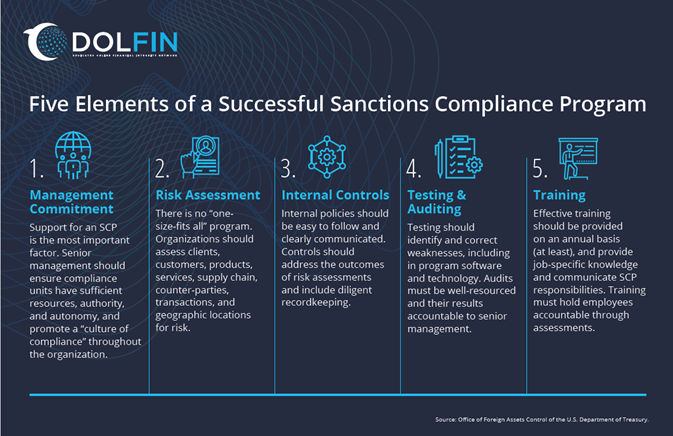
For businesses engaged in international trade, OFAC sanctions present significant compliance challenges. Failure to adhere to these regulations can result in severe penalties, including hefty fines and criminal charges. Companies must be diligent in performing due diligence and ensuring that they do not inadvertently conduct business with sanctioned parties. Key compliance measures include:
- Screening Transactions: Regularly screening customers against the SDN List is crucial.
- Training Employees: Ensuring that staff are knowledgeable about OFAC regulations can mitigate risks.
- Maintaining Records: Businesses should keep detailed records of their compliance efforts, as this can serve as a defense in the event of a violation.
Recent Developments in OFAC Sanctions
In recent years, the frequency and scope of OFAC sanctions have expanded. New sanctions have been imposed in response to geopolitical events, such as Russia’s actions in Ukraine and ongoing tensions with Iran. Businesses must stay informed of these changes to maintain compliance and adjust their operations accordingly. Additionally, the U.S. government may grant specific licenses that allow certain transactions that would otherwise be prohibited, which can provide limited opportunities for engagement with sanctioned entities.
Conclusion
Understanding OFAC sanctions programs is essential for any individual or business involved in international activities. Given the potential risks and implications of non-compliance, organizations must take proactive steps to ensure they remain informed and compliant with all relevant regulations. With the right strategies in place, businesses can navigate the complexities of OFAC sanctions effectively and mitigate potential legal and financial repercussions.
For additional resources and guidance on OFAC sanctions programs, individuals and businesses are encouraged to seek legal counsel or consulting services specializing in international trade compliance.


