


- Seasonal flavors bloom with the unique bon rush and delightful springtime treats
- The Allure of Seasonal Produce & Flavors
- Crafting Spring-Inspired Menus
- The Rise of Springtime Bakery and Confectionery
- The Impact of Social Media and Visual Appeal
- Beverage Trends Reflecting Spring
- The Rise of Mocktails and Non-Alcoholic Options
- The Role of Marketing and Promotions
- Beyond the Immediate Demand: Building Brand Loyalty
Seasonal flavors bloom with the unique bon rush and delightful springtime treats
The arrival of spring often signals a longing for lighter, brighter flavors, a departure from the rich, heavy foods of winter. This natural desire for freshness is beautifully captured in the delightful phenomenon known as the bon rush, a seasonal surge in demand for specific springtime treats and ingredients. It's a time when palates awaken, and culinary creativity blossoms, driving a unique energy within the food industry and captivating consumers eager to embrace the season's bounty.
This isn’t simply about a momentary trend; it’s a deeply rooted cultural response to the changing seasons. The bon rush affects everything from bakery selections and ice cream flavors to produce choices and menu offerings at restaurants. Understanding the drivers behind this seasonal shift, and learning how businesses can effectively cater to it, is crucial for success in the ever-evolving food and beverage market. Consumers are actively seeking experiences aligned with the vibrant energy of spring, and food is a central component of that experience.
The Allure of Seasonal Produce & Flavors
A significant component of the springtime bon rush is the availability of fresh, seasonal produce. After months of relying on imported or stored fruits and vegetables, the appearance of locally-grown options like asparagus, strawberries, rhubarb, and peas creates a palpable excitement amongst both chefs and home cooks. These ingredients aren’t just fresher; they often possess a more intense flavor profile due to being harvested at their peak ripeness. This emphasis on freshness ties directly into broader consumer trends focused on health, sustainability, and supporting local farmers.
Beyond the produce itself, the flavor profiles associated with spring are hugely influential. Light, floral notes, bright citrus flavors, and herbal aromas dominate springtime cravings. Think lemon and elderflower, strawberry and basil, or rhubarb and ginger. These pairings are not accidental—they reflect the natural flavors found blooming in gardens and fields during this time. Understanding this connection to nature is critical for product development, as consumers subconsciously associate these flavors with positive feelings of renewal and vitality.
Crafting Spring-Inspired Menus
Restaurants and cafes capitalize on this seasonal surge by introducing limited-time menus featuring these fresh ingredients and complementary flavors. This creates a sense of urgency and exclusivity, encouraging customers to visit and sample the special offerings before they disappear. Furthermore, highlighting the origin of the ingredients – “locally sourced strawberries,” “farm-fresh asparagus” – can significantly enhance the appeal to increasingly conscious consumers. Marketing materials often emphasize the ephemeral nature of these items, reminding diners that these flavors are only available for a short period.
The presentation also plays a key role. Spring-themed dishes are often visually lighter and brighter, utilizing pastel colors and delicate garnishes to evoke a sense of freshness and renewal. Think vibrant salads, delicate pastries adorned with edible flowers, and light, airy desserts. The overall dining experience should reflect the feeling of springtime – optimistic, inviting, and full of possibilities. It’s not solely about the taste, but the complete sensory experience.
| Seasonal Produce | Corresponding Flavor Pairings |
|---|---|
| Strawberries | Basil, rhubarb, balsamic glaze, elderflower |
| Asparagus | Lemon, parmesan, hollandaise sauce, prosciutto |
| Rhubarb | Ginger, strawberries, custard, orange zest |
| Peas | Mint, lemon, ham, parmesan |
The emergence of spring produce isn’t just a culinary phenomenon; it’s a strong driver of consumer behavior and a significant factor influencing the bon rush. Restaurants, bakeries, and even grocery stores must adapt quickly to offer what consumers are craving during this vibrant time of year.
The Rise of Springtime Bakery and Confectionery
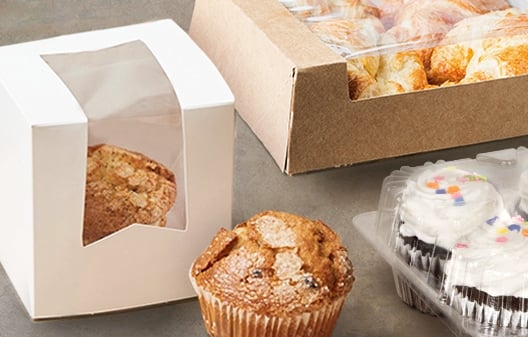
The bon rush extends far beyond savory dishes. Bakeries and confectionery shops experience a substantial increase in demand for spring-themed treats. Pastel-colored macarons, floral-decorated cakes, light and fruity tarts, and egg-shaped chocolates are all popular choices. There’s a distinct shift away from the heavier, richer desserts of winter towards lighter, more refreshing options. This is due in part to the warmer weather, but also reflects the overall desire for renewal associated with the season.
Consumers are also increasingly seeking unique and innovative flavors in their spring treats. Traditional recipes are being updated with modern twists, incorporating unexpected ingredients and flavor combinations. For example, lavender-infused cupcakes, rosewater macarons, and matcha-flavored pastries are gaining popularity. This demand for novelty encourages bakers and confectionery chefs to push creative boundaries and experiment with new techniques.
The Impact of Social Media and Visual Appeal
Social media platforms, particularly Instagram and Pinterest, play a massive role in driving demand for visually appealing spring treats. Highly stylized photos of pastel-colored pastries and beautifully decorated cakes are widely shared, creating a sense of aspiration and encouraging others to seek out similar experiences. Bakeries that excel at creating “Instagrammable” treats often see a significant boost in business. The visual appeal is essentially the first impression, and in the competitive world of confectionery, first impressions matter immensely.
This emphasis on visual presentation also extends to packaging. Spring-themed packaging, featuring floral designs, pastel colors, and whimsical details, adds to the overall appeal and makes these treats even more desirable. Gift-giving is also common during this time, and attractive packaging enhances the perceived value of the gift. It’s a complete package – both the taste and the presentation are crucial for success.
- Floral decorations on cakes and pastries increase visual appeal.
- Pastel color palettes evoke feelings of springtime freshness.
- Unique flavor combinations attract adventurous consumers.
- Social media marketing boosts visibility and demand.
The confectionery industry effectively leverages the aesthetic qualities of spring to capitalize on the bon rush, proving that taste is only one part of the equation.
Beverage Trends Reflecting Spring
The bon rush isn't limited to food; the beverage industry experiences a parallel surge in demand for lighter, more refreshing drinks. Heavy, dark beers and rich, chocolatey hot beverages give way to crisp wines, floral cocktails, and fruit-infused sparkling waters. Consumers are seeking beverages that complement the lighter flavors and warmer temperatures associated with springtime. The shift reflects a preference for drinks that are both hydrating and flavorful.
The popularity of botanical-infused beverages is particularly noteworthy. Gin, with its inherent herbal notes, experiences a significant increase in sales during the spring months. Cocktails featuring elderflower liqueur, rose syrup, or lavender extract are also highly sought after. This trend aligns with the broader consumer interest in natural ingredients and complex flavor profiles. The unique aromas and tastes complement the rejuvenating atmosphere of the season.
The Rise of Mocktails and Non-Alcoholic Options
Alongside the demand for alcoholic spring beverages, there’s a growing trend towards mocktails and non-alcoholic options. Consumers are increasingly conscious of their health and well-being, and are opting for alternatives that allow them to enjoy the flavors of spring without the effects of alcohol. These mocktails often feature similar ingredients to their alcoholic counterparts – fresh fruits, herbs, and botanical extracts – but are expertly blended to create a sophisticated and refreshing drinking experience.
The demand for non-alcoholic beverages is not limited to mocktails. Sparkling waters infused with fruit or herbs, iced teas with floral notes, and kombucha with seasonal flavors are all gaining popularity. Beverage companies are responding to this trend by developing a wider range of non-alcoholic options that cater to health-conscious consumers.
- Consumers seek lighter, more refreshing beverage options.
- Botanical-infused drinks are highly popular during springtime.
- Mocktails and non-alcoholic options are gaining traction.
- Fruit-infused sparkling waters and iced teas offer healthy alternatives.
The beverage industry’s adaptation to the bon rush highlights the increasing demand for versatile and health-conscious options, undeniably impacting seasonal purchasing habits.
The Role of Marketing and Promotions
Businesses actively leverage marketing and promotional strategies to capitalize on the bon rush. Spring-themed advertising campaigns, social media contests, and limited-time offers are common tactics. These campaigns often emphasize the freshness, seasonality, and unique flavors of the products being offered. Creating a sense of urgency and scarcity – highlighting that certain items are only available for a limited time – can also drive sales. Loyalty programs focused on seasonal treats are another effective strategy.
Collaborations with local farmers and producers can also be a powerful marketing tool. Highlighting the sourcing of ingredients and emphasizing the support for local communities resonates with consumers who are increasingly conscious of sustainability and ethical sourcing. These partnerships can build brand trust and enhance the perception of quality. Consumers are often willing to pay a premium for products that align with their values.
Beyond the Immediate Demand: Building Brand Loyalty
While capitalizing on the immediate surge in demand is important, the true value of the bon rush lies in building lasting brand loyalty. By consistently offering high-quality, seasonal products and creating memorable customer experiences, businesses can cultivate a dedicated following that will return year after year. It’s about more than just selling a product; it’s about creating an emotional connection with customers and becoming a part of their seasonal traditions.
This requires a long-term perspective. Instead of simply reacting to short-term trends, businesses should invest in developing a consistent brand identity that resonates with their target audience. Gathering customer feedback, analyzing sales data, and continuously innovating are essential for staying ahead of the curve and anticipating future demands. The bon rush represents not just a moment in time, but an opportunity to build a stronger, more enduring brand.


