






Selling Cards for Arbitrage: Understanding the Legal Landscape
In the world of finance and trading, arbitrage represents a quintessential strategy that many investors utilize to exploit price differences in various markets to make profits. While arbitrage is commonly associated with stocks, commodities, and currencies, another unique niche has emerged in recent years: selling cards for arbitrage. This article aims to explore the intricacies of this practice, how it works, the potential profits and risks involved, and importantly, the legal landscape governing this type of transaction.
What is Arbitrage?
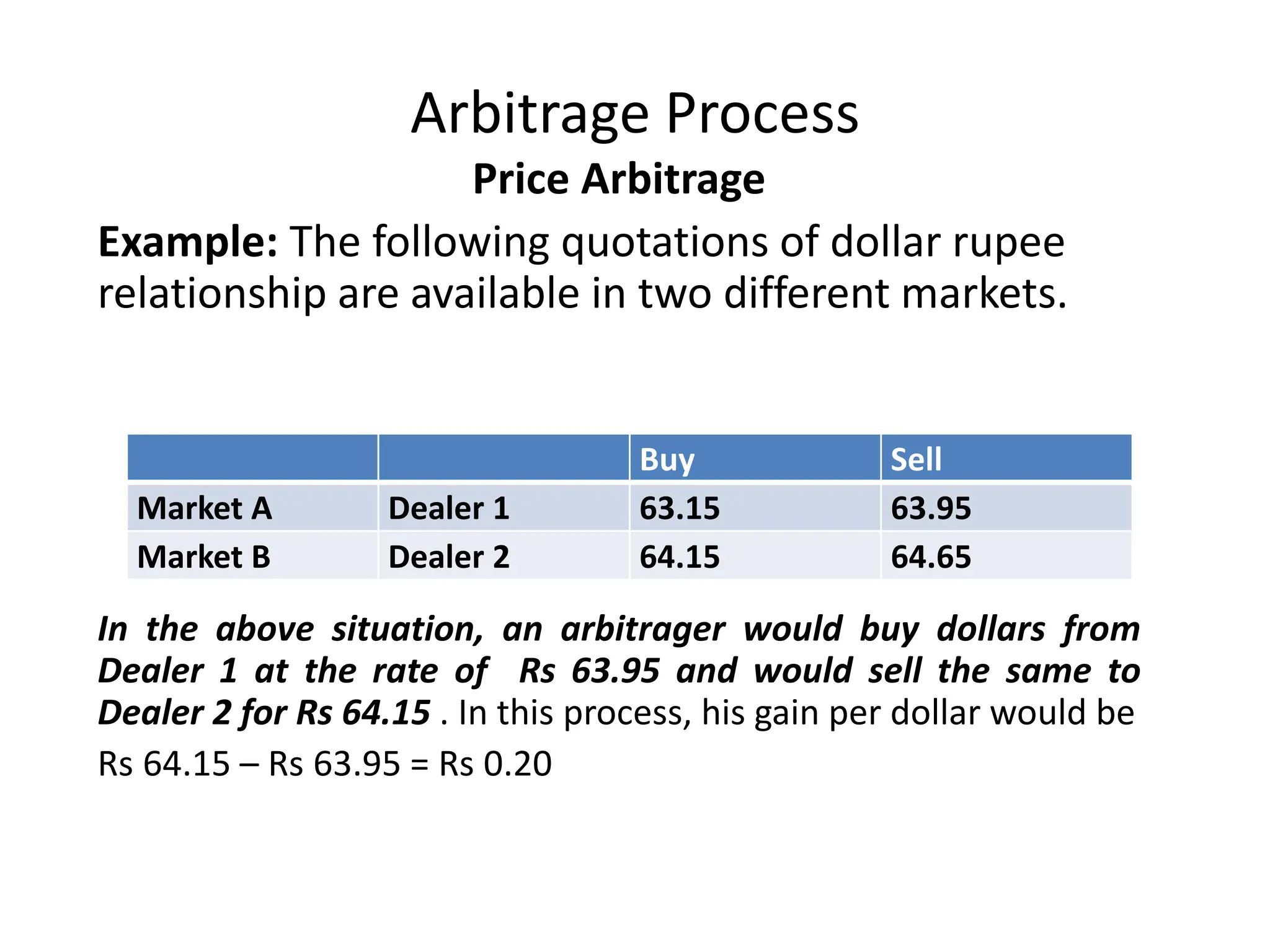
Arbitrage, in simple terms, is the simultaneous purchase and sale of an asset to profit from the imbalance in price. The classic example is buying a stock on one exchange where its price is low, and simultaneously selling it on another exchange where the price is higher. The concept has been adapted into various markets, including collectibles like trading cards, video game items, and even digital goods.
The Rise of Trading Cards
Over the past decade, the trading card industry has skyrocketed in popularity. Young collectors and seasoned investors alike have turned their attention to cards from popular franchises like Pokémon, Magic: The Gathering, and sports trading cards, resulting in prices skyrocketing. Some rare cards have sold for millions of dollars at auction, creating a new player in the arbitrage game.
How Selling Cards for Arbitrage Works
The practice of selling cards for arbitrage involves several key steps:

- Market Research: Understanding which cards are undervalued or in high demand across different platforms is vital.
- Purchasing Cards: Investors buy cards from sources where they are priced lower. This might include local shops, online auctions, or secondary markets.
- Reselling Cards: The purchased cards are then sold on marketplaces or platforms where their demand and price are higher.
- Profit Realization: The profit is realized from the difference between the buying price and the selling price, minus any fees associated with both transactions.
Profit Potential
The profit margins in card arbitrage can be substantial, but they can also be unpredictable. A well-researched move can yield profits of 20% or more, but mistakes can lead to losses. Therefore, investors need to be adept at assessing market fluctuations and understanding the demand for specific cards.
Risks Involved
While the potential for profit is enticing, the risks associated with selling cards for arbitrage cannot be overlooked:
- Market Volatility: The trading card market can be extremely volatile, with prices fluctuating rapidly based on trends, market sentiment, or news.
- Quality and Authenticity: There is always a risk associated with the authenticity and quality of the cards. High-priced counterfeits and altered cards can lead to significant losses.
- Regulatory Risks: Depending on the jurisdiction, selling cards may involve various legal considerations that can affect profitability.
Legal Considerations
As with any form of trading or investment, legal considerations play a crucial role in the practice of selling cards for arbitrage. The key aspects to keep in mind include:
- Consumer Rights: Buyers must be protected against fraud, so transparency in card descriptions and return policies is essential.
- Tax Implications: Profits made from selling cards are typically considered taxable income. Individuals must keep records and report their profits in accordance with their local tax laws.
- Licensing and Regulation: Certain jurisdictions may require licenses for selling cards as part of a business, and it’s essential to comply with these requirements to avoid legal complications.
Future of Selling Cards for Arbitrage
As the trading card market continues to evolve, so too will the practices surrounding arbitrage. With the advent of technology, online marketplaces, and the rise of cryptocurrency, there’s potential for new methods of buying and selling cards more efficiently. Investors who stay informed about market trends and continue to refine their strategies will likely uncover new opportunities for profit.
Conclusion
Selling cards for arbitrage represents a fascinating intersection between investment, collectibles, and market strategy. While the potential rewards can be enticing, it is imperative that investors approach this niche with a clear understanding of its risks and the legal landscape surrounding it. Whether you are new to trading or a seasoned investor, understanding the nuances of this market will be crucial for your success.
For further details on the legal implications and what to expect in the future, check out this resource: Selling Cards for Arbitrage: What the Law Says https://crazyfb.shop/en/page/prodazha-kart-dlya-arbitrazha-chto-budet-po-zakonu.


