






Identifying Red Flags for OFAC Violations: Key Indicators
The Office of Foreign Assets Control (OFAC) enforces economic and trade sanctions against targeted foreign countries and regimes, terrorists, international narcotics traffickers, and other threats to U.S. national security, foreign policy, or economy. As businesses navigate global trade and international relations, understanding the red flags for OFAC violations becomes essential in maintaining compliance with U.S. laws. This article discusses specific indicators that may signal potential OFAC violations, providing insights to help organizations strengthen their compliance practices. For more comprehensive information, you can refer to the red flags for OFAC violations https://xticketz.com/media/pgs/common-ofac-violation-risks.html.
Understanding OFAC and Its Importance
OFAC sanctions serve as critical tools to protect national security and uphold foreign policy goals. Violating these sanctions can result in severe penalties, including hefty fines and legal repercussions. The implications of non-compliance can extend beyond financial costs, affecting a company’s reputation and operational viability.
What Are Red Flags?
Red flags are warning signs that indicate potential issues. In the context of OFAC violations, these can include suspicious transactions, unusual customer behavior, or dealings with high-risk jurisdictions. Recognizing these red flags is vital for preemptive action.

Common Red Flags for OFAC Violations
1. Transactions Involving High-Risk Countries
One of the most glaring red flags is engaging in transactions with countries that are subject to OFAC sanctions. Conducting business with sanctioned nations poses significant legal risks, as such transactions may inadvertently support prohibited activities.
2. Unusual Payment Methods
If a customer insists on unconventional payment methods, such as cryptocurrency or cash transactions, it may indicate an attempt to avoid regulatory scrutiny. Legitimate transactions typically use standard banking channels.
3. Ambiguous or Vague Transactions
Transactions that lack clear purpose or involve incomplete documentation can raise concerns. Businesses should always seek clarity and full transparency in all dealings. Ambiguities may suggest an effort to obscure the true nature of the transaction.
4. Inconsistent Customer Information
If customer details appear inconsistent, it can signal potential OFAC issues. This includes discrepancies in names, addresses, or business registration details. Organizations should verify the identity of customers rigorously.
5. Higher than Normal Transaction Volumes
Substantial increases in transaction volumes—especially involving high-risk jurisdictions—should prompt additional scrutiny. This may suggest attempts to bypass regulations by increasing transaction frequency.
6. Indications of Vessel Diversion
In the shipping industry, signs of vessel diversion to avoid detection, such as changing ports of call or disguising the identity of the vessel, can raise alarm bells. Such tactics may indicate a potential attempt to evade sanctions.
7. Business Relationships with Sanctioned Entities
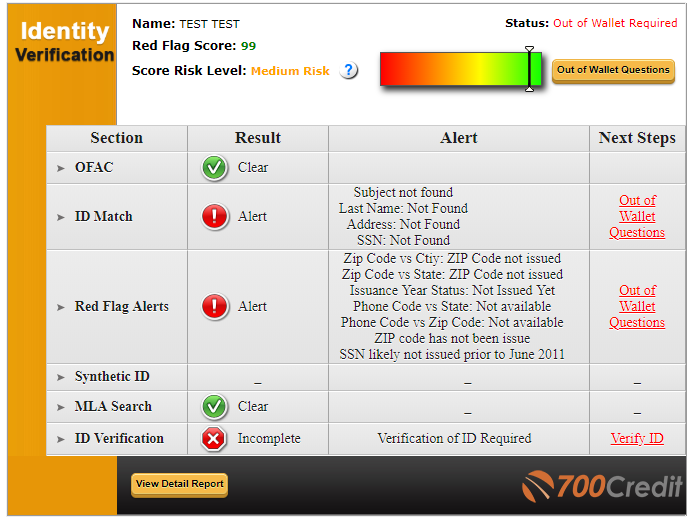
Interactions with persons or entities listed on the OFAC Specially Designated Nationals (SDN) list are clear red flags. Regular monitoring of this list is crucial for compliance, and immediate action should be undertaken if any connection arises.
8. Unusual Shipping Patterns
Trends in shipping that are out of the ordinary—such as rapid shipment turnover or shipments to and from high-risk regions—should trigger further investigation. Unusual shipping activities often correlate with efforts to engage in sanctioned transactions.
9. Refusal to Provide Information
Clients who are uncooperative or refuse to provide necessary information for due diligence share a significant red flag. Transparency is essential in all business dealings, especially when compliance regulations are involved.
Mitigating the Risks of OFAC Violations
Identifying red flags is only the first step; businesses must implement strategies to mitigate the risk of OFAC violations. Here are some effective measures:
1. Conduct Ongoing Training
Regular training sessions for employees involved in compliance and customer interactions are vital. This helps create awareness of OFAC regulations and enables staff to recognize red flags effectively.
2. Implement Robust Screening Processes
Investing in updated compliance software that screens clients and transactions against OFAC lists can help catch potential issues early. Effective data management systems improve the accuracy and efficiency of identifying high-risk transactions.
3. Develop Comprehensive Policies
Businesses should have clear policies in place regarding compliance with OFAC regulations. These policies should outline protocols for handling suspicious transactions and reporting potential violations.
4. Engage Legal Counsel
Consulting with legal experts in international trade and sanctions can provide valuable insights and guidance. They can assist organizations in navigating the complexities of compliance effectively.
5. Conduct Regular Audits
Regular compliance audits can uncover gaps in the organization’s processes. Consistent reviews help ensure adherence to regulations and reduce the likelihood of inadvertent violations.
Conclusion
As international commerce continues to evolve, the need for awareness of OFAC violations remains critical. Identifying red flags is an essential component of a successful compliance program, enabling businesses to act proactively to mitigate risks. By understanding and recognizing these indicators, organizations can better protect themselves from potential legal repercussions while promoting ethical business practices.


